
Where information and communication technology is the concern, quality and reliability can’t be compromised. And that’s why ICT testing stands out. It detects up to 90-98% of manufacturing defects, such as shorts, opens, and incorrect components.
Keep reading this blog to understand the importance of ICT testing in automotive PCB manufacturing.
At the heart of ICT testing, particularly printed circuit boards (PCBs) and in-circuit testing, is a sophisticated method that verifies the quality and functionality of components on the PCBs. Understanding the benefits of ICT testing in automotive PCB manufacturing will help you make an informed decision.
In this blog, we’ll delve into the intricacies of ICT testing, explaining its process and benefits, particularly for PCB manufacturing.
A Comprehensive Guide to ICT Testing in Automotive PCB Manufacturing
Let’s explore the importance of ICT testing in automotive PCB manufacturing, along with some practical tips to implement effective ICT testing.
Understanding In-Circuit Testing (ICT)
In-Circuit Testing (ICT) is a testing method used during PCB assembly to verify the functionality of individual components and electrical connections on the board.
Using specialised probes or fixtures, ICT equipment checks components such as:
Resistors
Capacitors
Diodes
Integrated circuits
Solder joints
Electrical connectivity between nodes
Unlike other testing methods that may test the PCB as a whole, ICT focuses on individual component-level verification. This makes it highly effective at identifying manufacturing defects before the product moves further down the production line.
In automotive electronics, where reliability is non-negotiable, this level of inspection is essential.
Why Automotive PCBs Require Extra Testing Precision
Automotive electronics operate in far harsher environments than typical consumer electronics.
Consider the real-world conditions a vehicle experiences:
Extreme temperatures
Constant vibration
Moisture exposure
Electrical interference
Long operational lifespans
Because of these factors, automotive PCBs must meet strict global quality standards such as IATF 16949 and IPC guidelines.
ICT helps ensure that every component on the board is electrically correct before the PCB is integrated into larger automotive systems, ensuring safety-critical reliability, as failures can cause catastrophic accidents, costly recalls, and financial consequences.
1. Detecting Manufacturing Defects Early
One of the biggest advantages of ICT testing is early defect detection. During PCB assembly, small issues can occur, such as:
Missing components
Incorrect component placement
Short circuits
Open circuits
Wrong component values
Poor solder joints
Without ICT testing, many of these problems might go unnoticed until the final product stage, or worse, after deployment in vehicles. Early detection of potential manufacturing issues saves both time and money.
2. Improving Production Efficiency and Yield
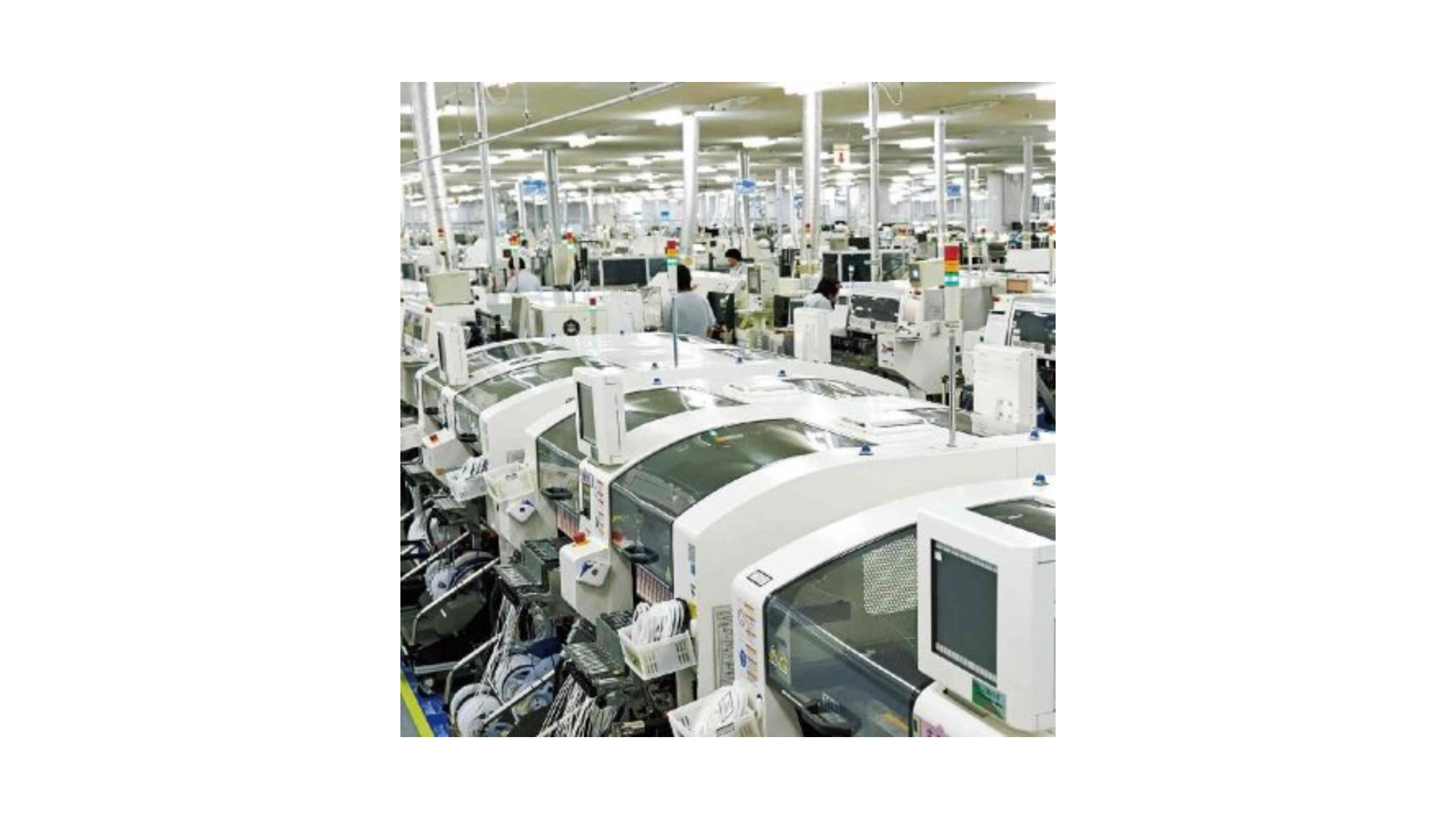
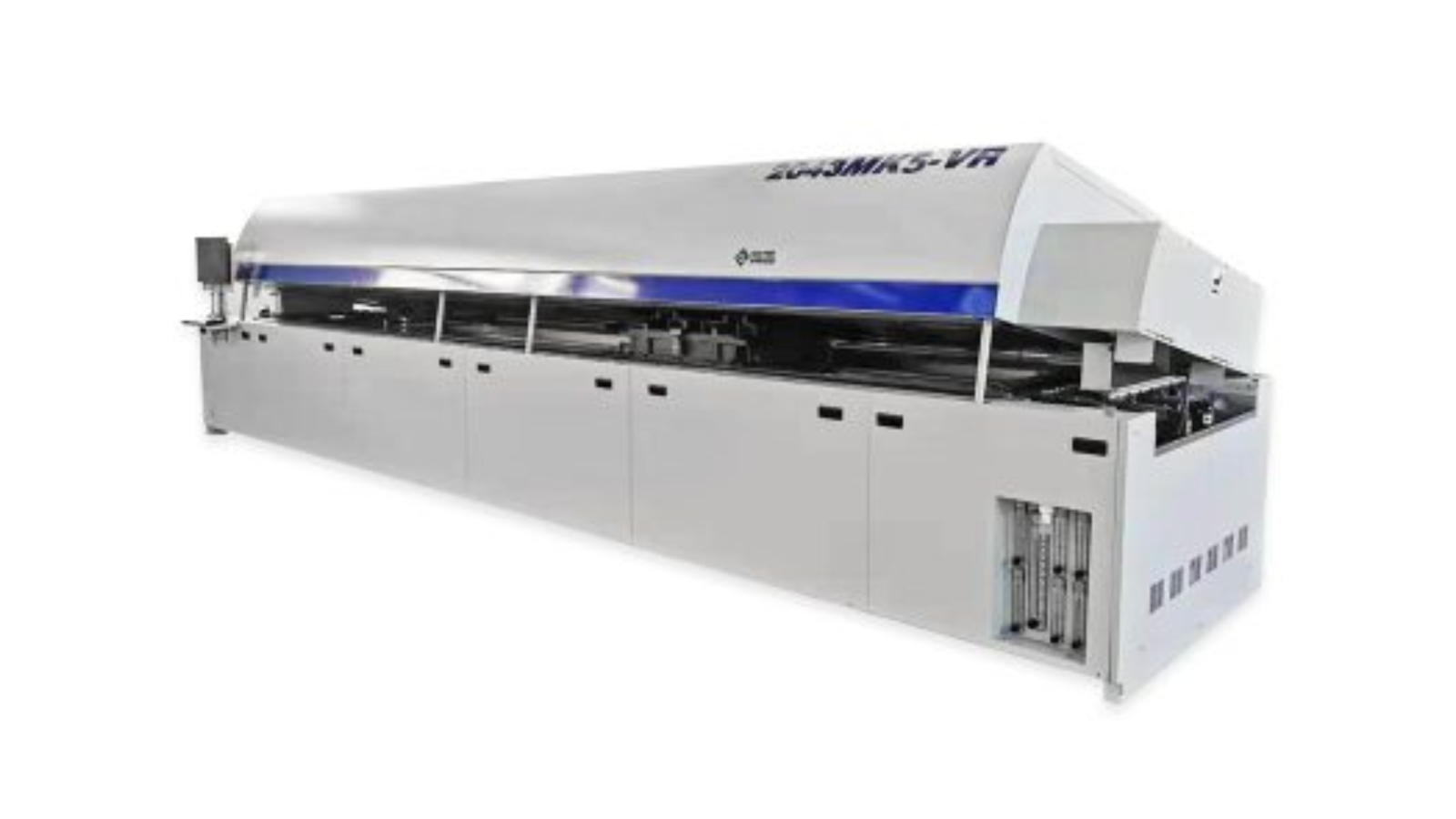
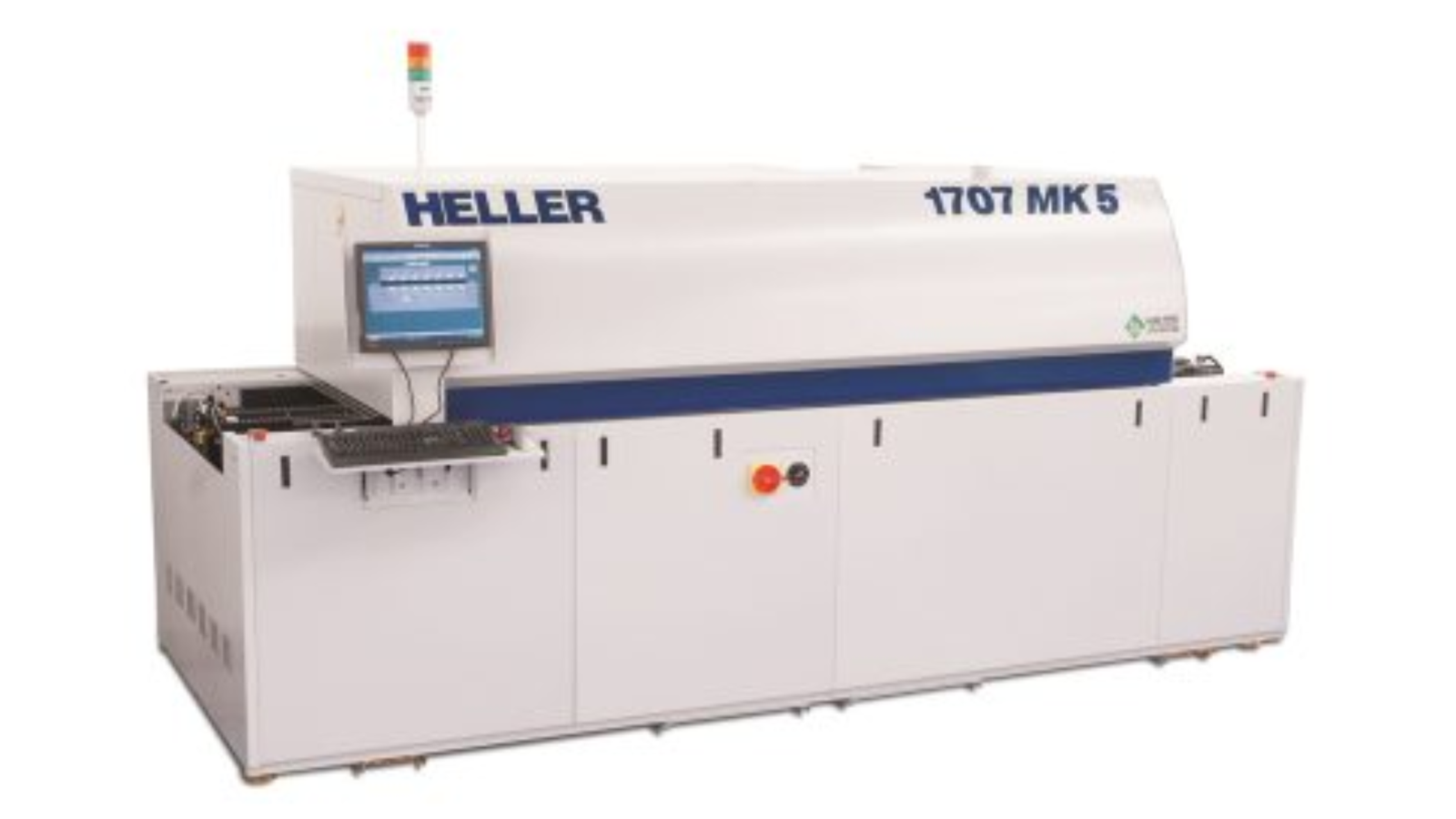
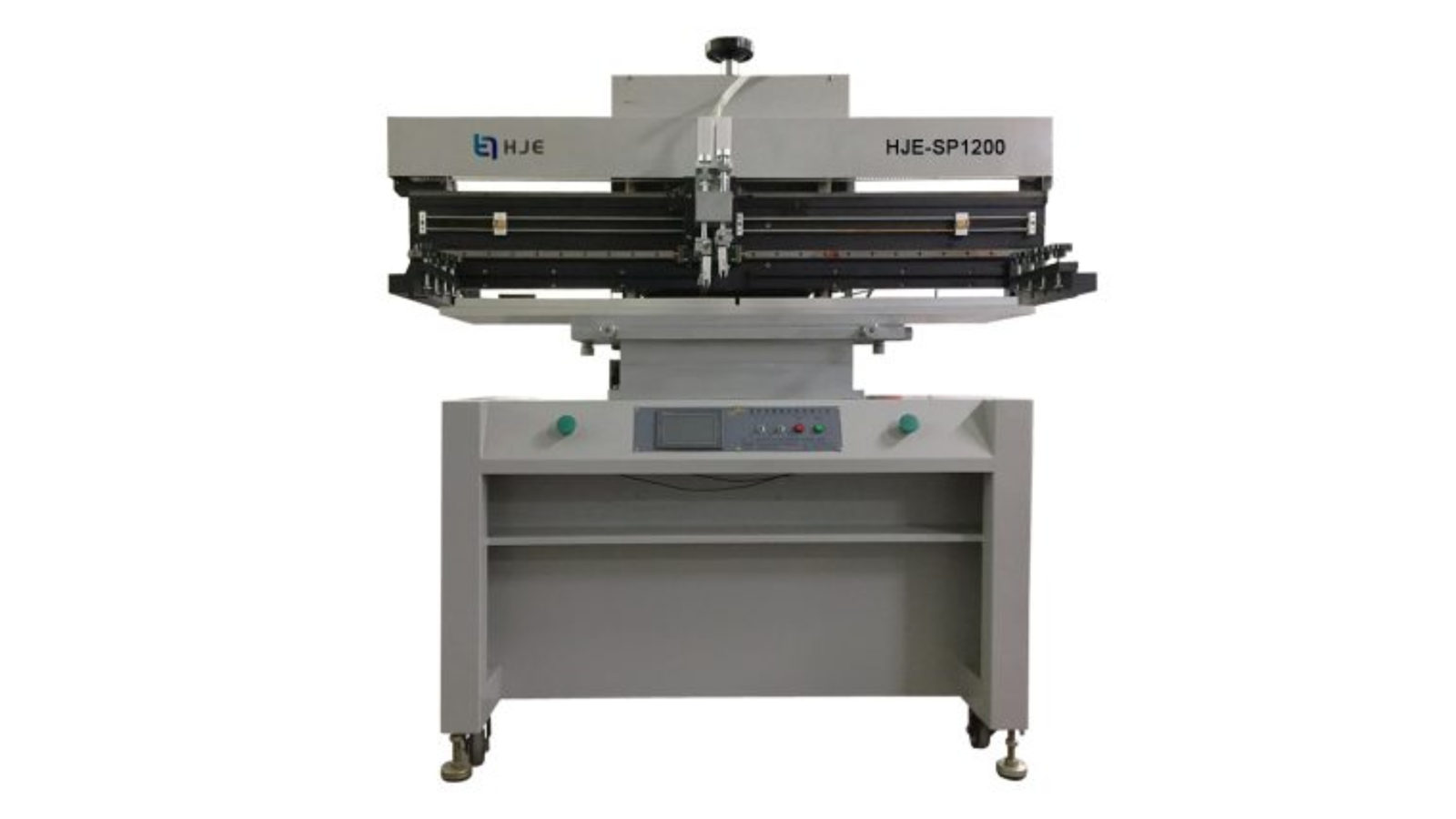
Another major benefit of ICT is its impact on production efficiency. When defects are detected early in the SMT line, manufacturers can quickly identify the root cause, whether it’s a solder paste printing issue, pick-and-place misalignment, or a reflow profile problem.
This leads to:
Faster troubleshooting
Improved manufacturing yield
Reduced rework costs
Shorter production cycles
For high-volume automotive production, even a small improvement in yield can translate into significant financial savings.
Manufacturers who consistently implement ICT testing in automotive PCB manufacturing often see noticeable improvements in quality metrics and operational efficiency.
3. Supporting Automotive Safety and Compliance
Safety is the backbone of the automotive industry. Every electronic module must meet strict performance and reliability requirements before it reaches consumers.
ICT testing helps manufacturers meet these expectations by ensuring:
Electrical integrity of each PCB
Accurate component functionality
Consistent product quality across batches
Additionally, automotive OEMs often require comprehensive test documentation, which is invaluable during audits and compliance checks.
Tips for Implementing Effective ICT Testing
For manufacturers looking to optimise their PCB testing process, a few practical strategies can make a big difference.
1. Design PCBs with Testing in Mind
Include adequate test points during the PCB design phase to ensure ICT probes can easily access critical nodes.
2. Combine ICT with Other Inspection Methods
ICT works best when combined with other inspection systems to improve overall defect detection, such as:
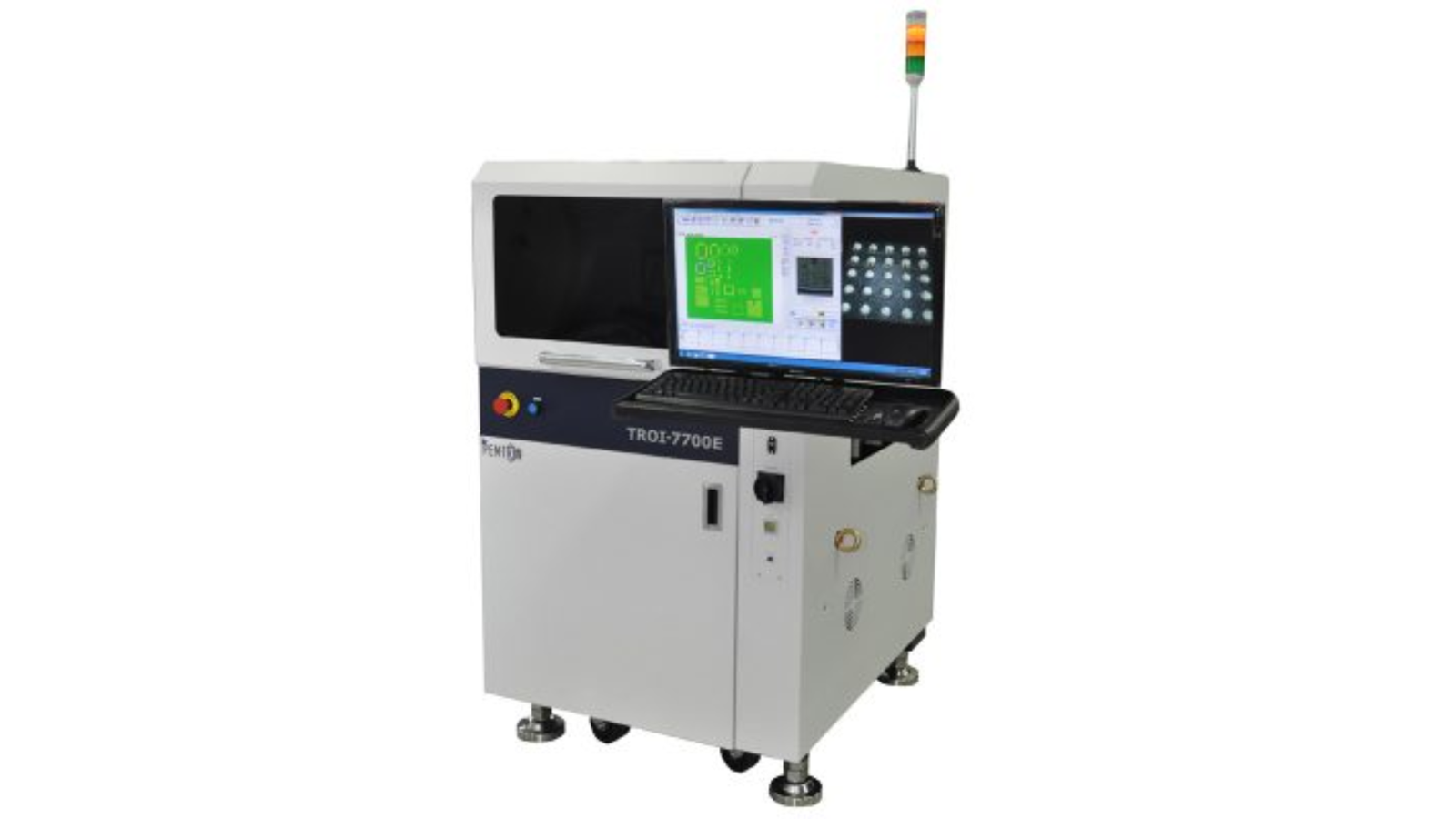
Automated Optical Inspection (AOI)
X-ray inspection
Functional testing
3. Maintain High-Quality Test Fixtures
Fixtures and probes must be regularly maintained to ensure accurate testing results and avoid false failures.
4. Use Data Analytics for Process Improvement
Modern ICT systems generate valuable production data. Analysing this data can help identify recurring issues and optimise the manufacturing process.
The Bottom Line
Automotive manufacturing demands the highest standard of reliability, precision, and safety. Even the smallest PCB defect can lead to serious consequences in the vehicle's performance and safety systems. And that’s why ICT testing in automotive PCB manufacturing has become a critical part of the production process.
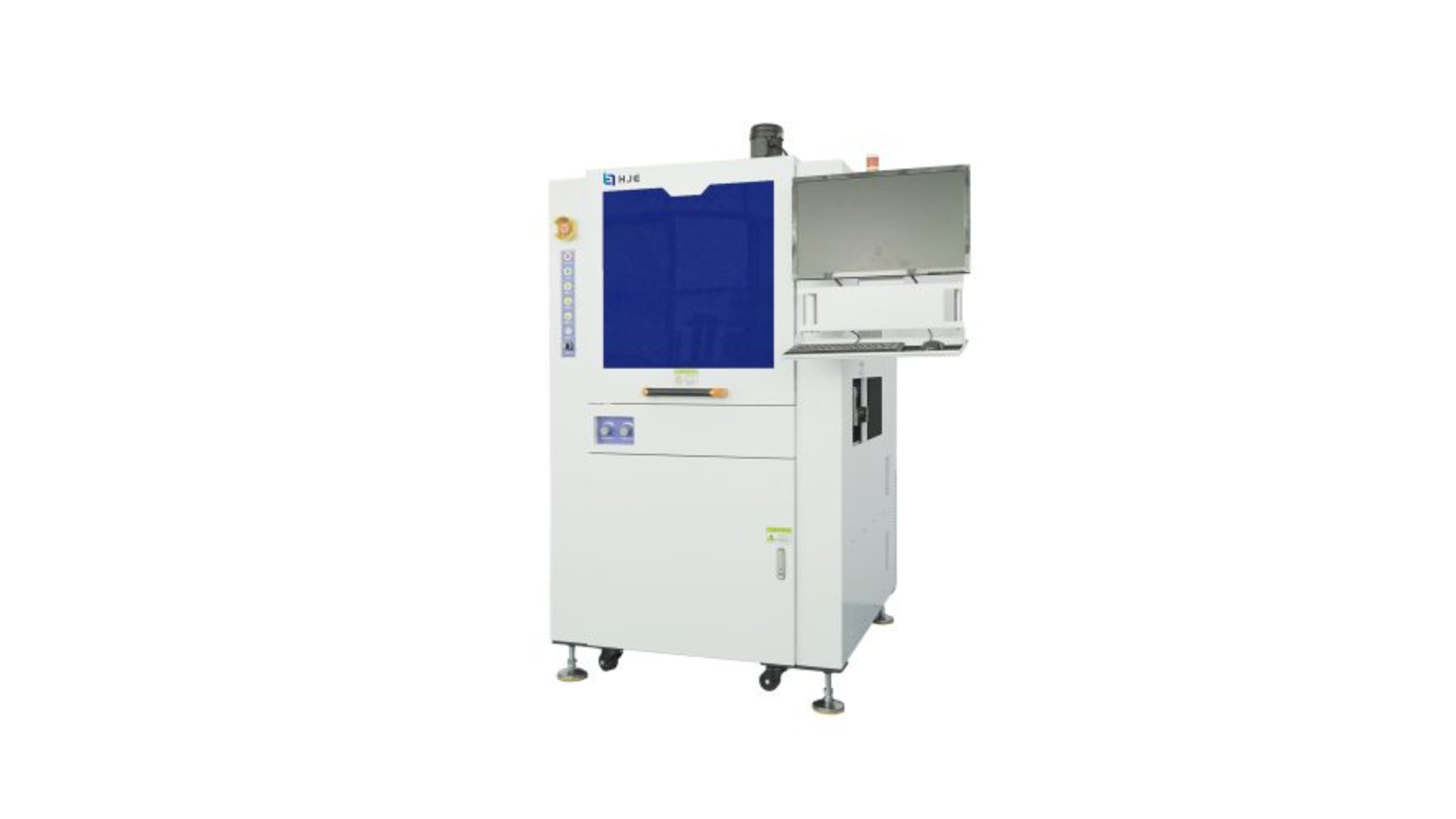
But partnering with the right technology provider can make all the difference. At HJE Tech India Pvt. Ltd., we offer advanced SMT solutions and services, including SMT production equipment, THT equipment, PCB assembly support, inspection systems, and more, designed for modern electronics manufacturing.
Connect with HJE Tech India Pvt. Ltd. to explore the right solutions for your manufacturing needs and improve your product quality and reliability.
Disclaimer: This content is for informational purposes only and is written by a professional content writer. Contact us to learn more.

Write a comment ...